


Phone Hours:
7:00 AM - 10:00 PM

Managing End-of-Life Canine Dementia (CCD) in Utah: Palliative Care for Sundowning Senior Dogs
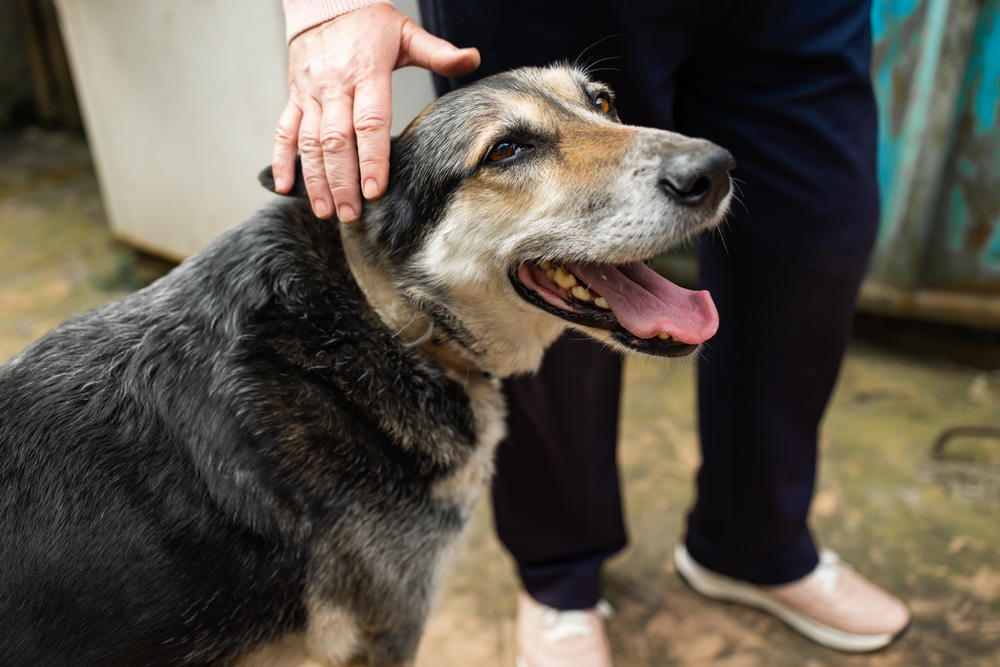
Watching a senior dog experience confusion, anxiety, or changes in behavior can be difficult for any family. Canine Cognitive Dysfunction, or CCD, is an age-related condition that affects memory, awareness, sleep patterns, and behavior. As CCD progresses, palliative and end-of-life care can help families focus on what matters most - keeping their dog comfortable, secure, and surrounded by familiar people. At Final Seasons Veterinary Services, we help Utah pet parents navigate these changes with compassionate guidance focused on their dog's quality of life.
Understanding Sundowning in Senior Dogs
Dogs with canine dementia may become increasingly confused or restless later in the day. This pattern is commonly referred to as sundowning. A dog that appears relatively calm during daylight hours may begin pacing, vocalizing, wandering, or struggling to settle as evening approaches.
CCD can also disrupt the normal sleep-wake cycle, causing senior dogs to sleep more during the day and remain awake or unsettled at night. These changes can become exhausting for both pets and their families.
Signs associated with canine cognitive dysfunction may include:
• Pacing or wandering without an obvious purpose
• Increased nighttime restlessness or vocalization
• Becoming confused in familiar areas
• Changes in interactions with family members
• House-training accidents
• Difficulty settling or sleeping
• Increased anxiety or clinginess
Behavioral changes in an older dog should be discussed with a veterinarian because discomfort and other medical conditions can sometimes cause similar symptoms.
Creating Comfort for a Dog with Canine Dementia
When a senior dog's CCD becomes advanced, care often shifts toward maintaining comfort and reducing unnecessary stress. Predictability can be especially helpful. Keeping meals, bathroom breaks, medications, bedtime, and other daily activities on a consistent schedule may make the dog's environment easier to navigate.
Families can also reduce nighttime confusion by keeping pathways clear, limiting major furniture changes, providing comfortable resting areas, and using gentle lighting when appropriate. A veterinarian can help evaluate additional ways to address discomfort, anxiety, sleep disruption, and other concerns based on the individual dog's health.
Focusing on Quality of Life
End-of-life canine dementia does not look exactly the same for every dog. Some senior pets continue enjoying meals, affection, outdoor time, and familiar routines even as their cognitive abilities decline. For others, anxiety, confusion, physical discomfort, or loss of normal daily function can begin to outweigh comfortable moments.
Regularly considering appetite, mobility, sleep, hygiene, comfort, interaction, and interest in favorite activities can provide a clearer picture of overall quality of life. When those changes become difficult to interpret, professional guidance can help families understand what their pet may be experiencing and consider the next steps.
Compassionate End-of-Life Support in Utah
Making decisions for a beloved senior dog is deeply personal. Final Seasons Veterinary Services offers virtual quality-of-life consultations and compassionate in-home pet euthanasia services, allowing Utah families to receive guidance and, when the time comes, provide a peaceful farewell in familiar surroundings.
Schedule a quality-of-life consultation with Dr. Durfee at Final Seasons Veterinary Services, serving Utah County, Provo, Salt Lake City, and surrounding Utah communities, by calling (435) 334-4100.
© 2026 Final Seasons Veterinary Services. All rights Reserved - Accessibility Statement - Privacy Policy - Sitemap
Powered by

